
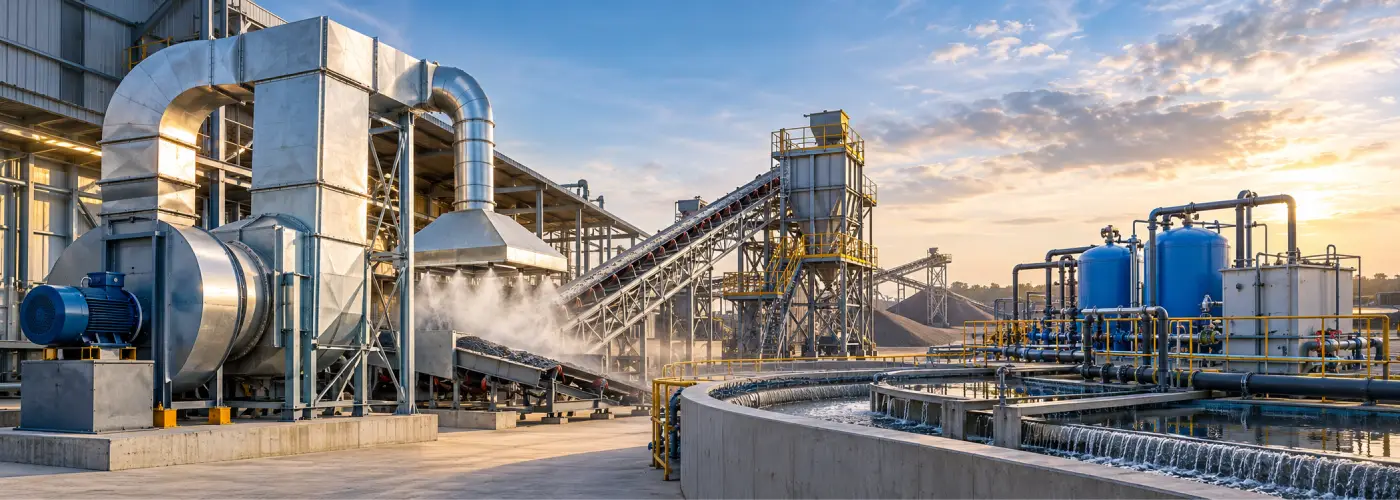
Air Conditioning Systems Manufacturer
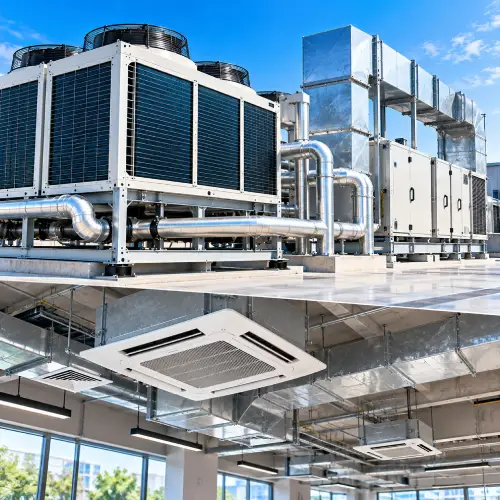
DSP Equipment is an experienced Air Conditioning Systems Manufacturer serving industrial, commercial, institutional and infrastructure requirements across Kolkata, Bihar, Jharkhand, Odisha, Chhattisgarh and Assam. We provide air-conditioning solutions designed around the cooling load, building configuration, occupancy pattern and operating conditions of each project.
A properly engineered air-conditioning system does more than reduce room temperature. It helps maintain comfortable indoor conditions, supports sensitive equipment, controls humidity and creates a more suitable environment for people and industrial processes. DSP Equipment focuses on practical system selection and application-oriented solutions rather than offering a one-size-fits-all approach.
Air Conditioning Designed Around Your Space
Every building has a different cooling requirement. A compact office, production area, server room, showroom, hospital facility and large commercial building cannot be effectively served using the same air-conditioning arrangement.
Our approach considers factors such as:
- Area and room volume
- Heat generated by machinery and equipment
- Number of occupants
- Door opening frequency
- Outdoor temperature conditions
- Required indoor temperature
- Humidity considerations
- Fresh-air requirements
- Operating hours
- Building orientation and insulation
- Air distribution requirements
- Future expansion requirements
This helps in developing an air-conditioning arrangement that matches the actual requirements of the site.
From Cooling Capacity to Complete Air Management
An efficient air-conditioning installation is not simply about selecting a cooling machine with a particular capacity. Air movement, heat transfer, filtration, temperature control and distribution all influence the final performance.
DSP Equipment can support air-conditioning requirements involving:
Requirement | Engineering Consideration |
Space Cooling | Required cooling capacity and room heat load |
Air Distribution | Suitable ducting and outlet arrangement |
Temperature Control | Desired indoor temperature range |
Humidity Management | Moisture control according to application |
Fresh Air | Outdoor air requirement and ventilation strategy |
Filtration | Removal of dust and airborne particles |
Equipment Selection | Capacity, operating pattern and site conditions |
Control | Temperature monitoring and operational adjustment |
Air Conditioning Systems for Different Building Types
DSP Equipment provides solutions suitable for different types of environments where controlled cooling is required.
- Commercial Buildings
Offices, business centres, retail spaces, showrooms and commercial establishments require consistent cooling during working hours. Proper air distribution helps maintain a comfortable environment across occupied areas.
- Industrial Facilities
Manufacturing plants and industrial buildings may experience considerable heat from machinery, production processes, motors, furnaces and other equipment. Air-conditioning systems can be designed according to the thermal conditions and specific cooling zones.
- Control Rooms
Electrical control rooms, automation rooms and monitoring areas may require controlled temperature conditions for personnel comfort and equipment operation.
- Server and Equipment Rooms
Electronic equipment generates heat continuously. Suitable cooling arrangements help maintain controlled environmental conditions around sensitive equipment.
- Healthcare and Institutional Areas
Hospitals, clinics, laboratories, educational institutions and other controlled environments may require carefully planned temperature and air-management arrangements according to the application.
- Hotels and Hospitality Facilities
Guest areas, offices, restaurants, reception zones and service areas have different occupancy and cooling patterns. Zoned air-conditioning can help address these varying requirements.
Key Factors That Influence Air Conditioning Performance
The performance of an air-conditioning system depends on much more than the rated capacity of the equipment. DSP Equipment considers the complete operating environment when developing a suitable solution.
- Cooling Load Assessment
Heat entering through walls, roofs, windows and doors, along with heat produced by occupants, lighting and machinery, contributes to the total cooling load.
- Airflow Distribution
Even with adequate cooling capacity, poor air distribution can create hot spots and uneven temperature conditions. Proper airflow planning helps deliver conditioned air where it is needed.
- Equipment Operating Pattern
A system operating continuously requires different considerations from one used only during selected working hours. Load variations should also be considered during selection.
- Environmental Conditions
Outdoor temperature, humidity, dust levels and seasonal changes can influence system selection and operating performance.
- Maintenance Accessibility
Filters, coils, fans and other serviceable components should remain accessible for routine inspection and maintenance.
Major Components of an Air Conditioning Installation
Depending on the system configuration and application, an air-conditioning setup can involve several interconnected components.
Component | Function |
Cooling Unit | Produces the required cooling effect |
Air Handling Equipment | Conditions and circulates air |
Compressor | Supports the refrigeration cycle |
Heat Exchanger | Transfers heat between the system and surrounding medium |
Blower/Fan | Moves conditioned air through the system |
Filters | Help remove dust and suspended particles |
Ducting | Carries and distributes conditioned air |
Diffusers/Grilles | Deliver air into occupied spaces |
Control System | Helps regulate temperature and system operation |
Insulation | Reduces unwanted heat gain or loss through ducts and piping |
Why Proper Duct Design Matters
In larger air-conditioning installations, ductwork forms an important part of the air distribution network. Incorrect duct sizing or poor routing can increase pressure losses and affect airflow.
A well-planned duct system considers:
- Air volume
- Duct dimensions
- Air velocity
- Pressure loss
- Number of bends
- Branch connections
- Insulation
- Diffuser location
- Maintenance access
- Ceiling and structural limitations
DSP Equipment can evaluate these considerations while planning air-conditioning arrangements for different building layouts.
Energy-Conscious Air Conditioning Solutions
Energy consumption is an important consideration for commercial and industrial cooling systems, particularly where equipment operates for extended periods.
A properly selected system can contribute to better energy management by matching cooling output with actual demand. Important considerations include:
- 1. Correct equipment capacity
- 2. Appropriate operating schedules
- 3. Proper insulation
- 4. Efficient airflow
- 5. Clean filters and heat-transfer surfaces
- 6. Temperature control
- 7. Load-based operation
- 8. Regular preventive maintenance
The objective is to avoid both inadequate cooling and unnecessary oversizing.
Air Conditioning for Industrial Heat-Prone Areas
Industrial spaces often contain multiple sources of heat. Production machinery, motors, electrical equipment, process lines and lighting can increase the internal heat load significantly.
Instead of treating the entire facility identically, cooling requirements can be considered zone by zone.
For example:
Production Zone → Equipment Heat → Local Cooling Requirement → Air Distribution → Controlled Working Environment
This approach can be useful where only certain sections of a large facility require intensive cooling.
Applications of Air Conditioning Systems
DSP Equipment serves air-conditioning requirements for a wide range of applications, including:
- Manufacturing Plants
- Industrial Workshops
- Commercial Offices
- Corporate Buildings
- Retail Showrooms
- Hotels and Hospitality Facilities
- Hospitals and Clinics
- Laboratories
- Educational Institutions
- Control Rooms
- Electrical Rooms
- Server and IT Rooms
- Communication Facilities
- Warehouses and Storage Areas
- Institutional Buildings
- Large Residential Projects
- Process Industries
- Utility and Service Buildings
- Choosing the Right Air Conditioning Arrangement
There is no universal air-conditioning configuration for every project. The suitable arrangement depends on the building and its operating requirements.
Before finalising a system, it is useful to evaluate:
- Total floor area
- Ceiling height
- Number of rooms or zones
- Occupancy level
- Equipment heat load
- Desired temperature
- Humidity requirement
- Fresh-air requirement
- Operating hours
- Available electrical capacity
- Installation space
- Maintenance requirements
- Possibility of future expansion
These parameters provide a practical foundation for selecting the appropriate cooling arrangement.
Built for Different Climatic and Industrial Conditions
DSP Equipment serves customers across Kolkata, Bihar, Jharkhand, Odisha, Chhattisgarh and Assam, where site conditions and project requirements can vary considerably.
Our application-oriented approach takes account of the intended location and operating environment when discussing air-conditioning requirements. Whether the project involves a commercial facility in Kolkata, an industrial installation in Jharkhand, a business premises in Bihar, a production facility in Odisha, an industrial unit in Chhattisgarh or a commercial/institutional project in Assam, system selection should be based on actual site requirements.
Air Conditioning Solutions for New Projects and Existing Facilities
Air-conditioning requirements can arise during both new construction and the upgrading of existing buildings.
- New Installation
For new projects, cooling requirements can be considered during the building-design stage. This allows better coordination between equipment placement, duct routes, electrical provisions and ceiling layouts.
- Replacement or Upgradation
Existing facilities may require replacement of ageing equipment, additional cooling capacity or modification of the air-distribution arrangement.
- Capacity Expansion
When production or occupancy increases, the original cooling system may no longer meet the required load. Additional capacity or a redesigned distribution arrangement may then be considered.
Maintenance-Oriented System Planning
Long-term air-conditioning performance depends on regular attention to the equipment and air-distribution system. Maintenance planning should include:
- Filter inspection and cleaning
- Coil condition checks
- Fan and blower inspection
- Refrigeration-system checks
- Electrical connection inspection
- Drainage checks
- Duct and insulation inspection
- Temperature performance monitoring
- Control-system checks
Routine maintenance can help identify developing problems before they affect normal operation.
Service Area Coverage
DSP Equipment caters to requirements across:
- Kolkata
- Bihar
- Jharkhand
- Odisha
- Chhattisgarh
- Assam
What Makes DSP Equipment a Practical Choice?
DSP Equipment focuses on understanding the application before suggesting an air-conditioning arrangement. This approach helps customers discuss their requirements in terms of actual building conditions rather than simply selecting equipment based on capacity.
- Application-Focused Approach
We consider the intended use of the space, operating conditions and cooling objectives.
- Project-Specific Planning
Different projects can require different combinations of cooling, airflow, filtration and temperature control.
- Industrial Understanding
Industrial environments often present higher and more variable heat loads. Our approach considers these operating conditions while discussing suitable solutions.
- Support for Diverse Requirements
From commercial premises to industrial facilities, the cooling requirement can be evaluated according to the nature and scale of the project.
Frequently Asked Questions
An air-conditioning system is a combination of equipment and air-distribution components used to control indoor temperature and, depending on the system, humidity, air movement and air quality.
The required capacity depends on room size, ceiling height, occupancy, outdoor conditions, insulation, equipment heat and other heat-load factors. A proper load assessment is preferable to selecting capacity based only on floor area.
Yes. Industrial facilities can require air-conditioning for offices, control rooms, equipment rooms, production areas and other spaces where controlled cooling is required.
It depends on the factory layout, heat load, building size and process conditions. Large facilities are often evaluated by zones so that cooling can be matched with individual requirements.
Yes. Duct dimensions, routing, insulation, pressure losses and outlet positioning can influence airflow and the overall performance of a ducted air-conditioning system.
Yes. Cleaning, inspection and preventive maintenance help maintain airflow, heat-transfer performance, temperature control and dependable operation.
Discuss Your Cooling Requirement With DSP Equipment
Selecting an air-conditioning system should begin with the actual requirement of the building rather than only the equipment specification. DSP Equipment can assist customers looking for application-oriented air-conditioning solutions across Kolkata, Bihar, Jharkhand, Odisha, Chhattisgarh and Assam. For a new installation, plant expansion, commercial project, equipment-room cooling requirement or replacement project, share your area, application, operating hours and cooling requirement with our team.
Contact DSP Equipment today for air-conditioning system requirements, project discussion, bulk enquiries and competitive quotations.