
Fire Protection Systems Manufacturer
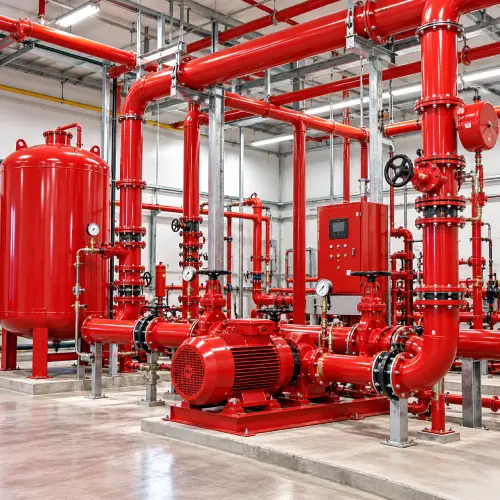
Fire protection systems are essential for reducing fire-related risks in industrial plants, commercial buildings, warehouses and manufacturing facilities. These systems combine suitable fire detection, alarm, suppression and firefighting equipment to help identify fire incidents and support a timely response. The configuration depends on the building layout, fire hazards, occupancy, stored materials and applicable safety requirements.
DSP Equipment caters to industrial fire protection system requirements in Kolkata, Bihar, Jharkhand, Odisha, Chhattisgarh and Assam. From water-based firefighting arrangements to specialised suppression solutions, system selection should be based on a site-specific fire risk assessment and the protection needs of the facility. Proper coordination between detection devices, control panels, pumps, piping and suppression equipment helps create an integrated fire safety arrangement.
Key Features of Fire Protection Systems
- Fire Detection and Alarm: Suitable detectors, manual call points and alarm devices help alert occupants to potential fire incidents.
- Fire Suppression Arrangements: Systems can incorporate sprinklers, hydrants, hose reels or specialised suppression equipment according to the identified hazards.
- Reliable Water Supply: Where water-based protection is required, pumps, storage tanks and distribution piping support firefighting operations.
- Zone-Based Protection: Different areas can be provided with suitable protection according to their fire risks.
- Monitoring and Control: Compatible control panels and monitoring devices help coordinate system operation.
- Emergency Response Support: Clearly positioned firefighting equipment and alarm devices help support evacuation and emergency procedures.
- Application-Specific Design: Equipment selection can be adapted to the facility’s layout, operational activities and applicable fire safety standards.
Top Benefits of Choosing a Suitable Fire Protection System
A properly planned fire protection arrangement helps organisations prepare for emergencies while protecting people, equipment, buildings and stored materials.
- Early Warning: Detection and alarm equipment can provide timely alerts when a fire-related condition is identified.
- Risk Reduction: Suitable suppression equipment helps control or extinguish fires within its designed application.
- Asset Protection: Appropriate fire safety measures can reduce potential damage to machinery, inventory and infrastructure.
- Operational Preparedness: Clearly defined protection arrangements support emergency response planning.
- Regulatory Alignment: A system designed around applicable fire codes and local requirements helps facilities address relevant compliance obligations.
- Coordinated Safety Measures: Integrating alarms, suppression equipment and emergency procedures helps improve overall fire safety management.
High Tensile Strength and Structural Stability
The reliability of a fire protection installation depends on the mechanical integrity of its supporting infrastructure. Pipe supports, mounting brackets, equipment foundations, structural fixings and properly selected piping must withstand the loads and operating conditions associated with the system.
For water-based firefighting installations, pipe sizing, pressure ratings, support spacing and joint selection must be established through appropriate engineering calculations. Fire pumps and associated equipment also require suitable foundations and installation clearances to support stable operation.
DSP Equipment can help industrial buyers evaluate the equipment and installation requirements relevant to their projects in Kolkata, Bihar, Jharkhand, Odisha, Chhattisgarh and Assam. Final designs should be prepared and verified by qualified fire protection professionals in accordance with applicable standards and approval requirements.
Durable Engineering Components for Industrial Sectors
A fire protection system consists of interconnected components that must remain suitable for their intended operating conditions. Selecting compatible equipment and planning access for inspection and maintenance are important parts of system design.
Typical components may include:
- Fire pumps and associated pump controllers.
- Hydrant networks, landing valves and hose reels.
- Automatic sprinkler installations.
- Fire detection sensors and alarm control panels.
- Fire extinguishers selected for the relevant fire classes.
- Suitable suppression systems for electrical, machinery or specialised process hazards.
- Water storage tanks, valves, piping and approved fittings.
- Emergency signalling and monitoring equipment.
The required components vary by project. For example, an electrical control room may need a different suppression approach from a warehouse storing combustible materials. Compatibility, approved equipment selection, installation quality and periodic testing all contribute to dependable fire protection.
What Makes DSP Equipment a Trusted Name?
Selecting a fire protection system requires careful attention to the actual risks within a facility. A generic equipment package may not address every hazard, so the project should begin with an assessment of the building, processes, combustible materials, water availability and emergency access.
DSP Equipment caters to industrial equipment requirements across Kolkata, Bihar, Jharkhand, Odisha, Chhattisgarh and Assam, helping customers identify the technical considerations involved in selecting suitable fire protection arrangements.
- Requirement-Focused Planning: Identify the risks and protection objectives before determining the equipment configuration.
- System Compatibility: Consider how pumps, piping, alarms and suppression devices work together.
- Industrial Application Awareness: Account for the operational demands of factories, warehouses and process facilities.
- Practical Equipment Selection: Match component specifications to the required application and relevant approvals.
- Maintenance Considerations: Plan for inspections, functional testing and access to critical components.
Applications Across Business Verticals
Fire protection systems serve facilities with different occupancy types, operating conditions and fire hazards.
- Manufacturing Plants: Protection for production areas, machinery and industrial workspaces.
- Warehouses and Logistics Centres: Fire detection and suppression for stored goods and material-handling areas.
- Power and Utility Facilities: Suitable firefighting arrangements for electrical rooms, auxiliary buildings and other identified hazards.
- Chemical and Process Industries: Hazard-specific systems selected according to the materials handled and the potential fire scenarios.
- Commercial Buildings: Integrated alarm, evacuation and firefighting arrangements.
- Hospitals and Healthcare Facilities: Fire safety provisions designed around patient safety, evacuation needs and building regulations.
- Hotels and Institutional Buildings: Detection, alarms and suppression equipment appropriate to the occupancy and building layout.
- Electrical and Control Rooms: Specialised protection selected according to electrical equipment, room conditions and suppression compatibility.
Affordable Fire Protection System Solutions Across Eastern and Northeastern India
The cost of a fire protection system depends on the size of the facility, hazard classification, required protection coverage, equipment specifications, piping routes, water storage capacity and installation complexity.
DSP Equipment caters to project enquiries from Kolkata, Bihar, Jharkhand, Odisha, Chhattisgarh and Assam. A detailed assessment of the facility helps establish an appropriate scope of work and reduces the likelihood of selecting unsuitable equipment or overlooking essential system components.
For a more accurate quotation, buyers should provide building plans, site details, the type of industrial activity, available water supply information and any applicable fire safety requirements. Final pricing and specifications should follow the approved design and project scope.
Reliable Support for Fire Protection Systems
Fire protection requires ongoing attention after installation. Routine inspections, testing, servicing and maintenance help verify that the system remains ready for its intended function. The maintenance schedule should follow the applicable standards, manufacturer instructions and local authority requirements.
Depending on the installation, support activities may include checking fire pumps, testing alarm circuits, inspecting hydrant valves, examining sprinkler piping, verifying control panel indications and servicing extinguishers. Any deficiencies identified during inspection should be addressed by qualified personnel.
DSP Equipment can discuss the technical requirements for industrial fire protection projects and help customers identify the information needed to plan an appropriate installation. The final equipment selection should be based on a site-specific design, relevant approvals and the hazards present at the facility.
Plan Your Fire Protection Project with DSP Equipment
Whether you are developing a new industrial facility or reviewing fire safety provisions at an existing site, begin by identifying the hazards that require protection, the areas that must be covered and the applicable safety requirements.
Contact DSP Equipment with your project location, facility type, approximate building area, fire protection requirements and available site drawings. These details provide a practical starting point for discussing a suitable fire protection system for your industrial or commercial facility in Kolkata, Bihar, Jharkhand, Odisha, Chhattisgarh or Assam.